Camp
  • Cabin Fever: 11 of the World's Most Idyllic Outdoor Escapes
    From rustic A-frames perched on tiny islands to treehouses suspended hundreds of feet in the air, there’s something for everyone, whether you’re craving a secluded spot in a remote forest or a lakeside retreat

    Cabin Fever | Idyllic Outdoor Escapes | Wildbounds

    3rd April 2020 | Words by Matt Jones @ WildBounds HQ


    This week, we’ve found ourselves trawling through @cabinporn's Instagram feed for the most idyllic cabins from around the world – the kind of places that we wish we were self-isolating in right now. It’s probably not healthy, but it certainly passes the time. From rustic A-frames perched on tiny islands to treehouses suspended hundreds of feet in the air, there’s something for everyone, whether you’re craving a secluded spot in a remote forest or a lakeside retreat.


    #1 USA – this beaut of a cabin perches on a tiny island in Lake Winnipesaukee, New Hampshire. We’d love to chill out on that south-facing floating dock.


    #2 Norway – perched precariously 30 metres above Lake Eidsvatnet in Skjolden, this cabin once belonged to philosopher Ludwig Wittgenstein and has since been lovingly restored. It looks like the perfect place for creative thinking.


    #3 Canada – this looks like your classic cabin in the woods. Tucked away in Cyprus Provincial Park in Vancouver, with only the trees and birds for neighbours.

    #4 France – we can’t get over this treehouse. With three separate cabins connected by a stunning suspension bridge, this is an impressive architectural feat.


    #5 Finland – this wilderness hut in Lapland looks incredibly inviting. It may be basic, but there’s always a supply of dry firewood and a fireplace, not to mention the chance of spotting the northern lights in the clear skies above.


    #6 Australia – this ‘rustic houseboat’ lives in Noosa on the sunshine coast of Queensland. We can definitely imagine the soothing sound of lapping waves in this serene spot.


    #7 UK – this riverside cabin located on the Eden Hall Estate in the Lake District looks very enticing with its glowing lights. Sit out on the deck and you’ll spot kingfishers, herons, red squirrels, salmon, otters, pheasant and deer.


    #8 USA – if you’ve climbed mountains in the USA you are bound to have come across a fire lookout at one point or another. Although no longer manned, there is a timeless appeal to being perched up high on these rocks, with views for miles around.


    #9 Chile – this cabin in South America might only have a footprint of 36 square metres but the views out across Lake Lonconao are to die for. Small but perfectly formed.


    #10 Guatemala – we’d give our right arm to be self-isolating in this stunner of a cabin in San Marcos La Laguna. Just look at those views.


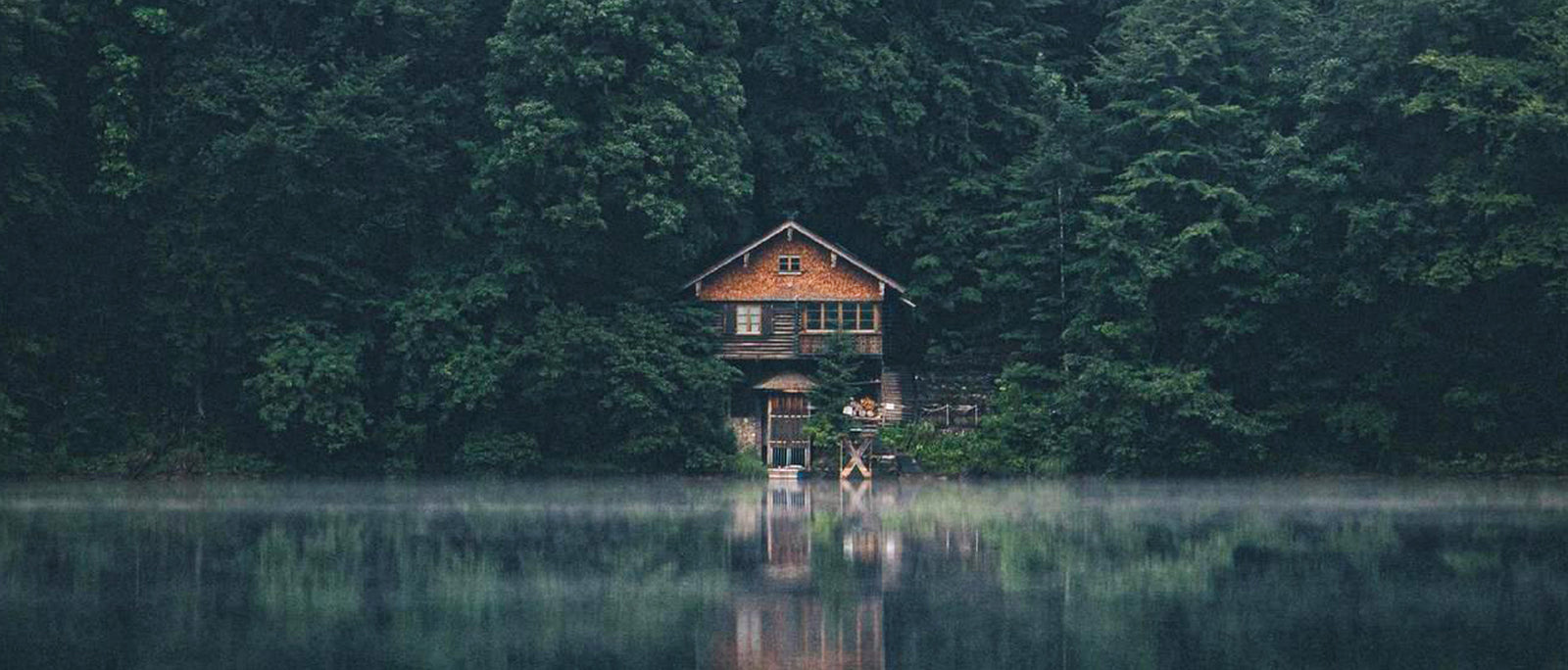
    #11 Germany – moody skies don’t darken the beauty of this cabin near Oberstdorf, perched right on the lakeside and surrounded by trees.


    Also in Camp Notes

    Five Reasons Why a Bivvy is Better Than a Tent | Camp Notes | WildBounds UK
    Five Reasons Why a Bivvy is Better Than a Tent

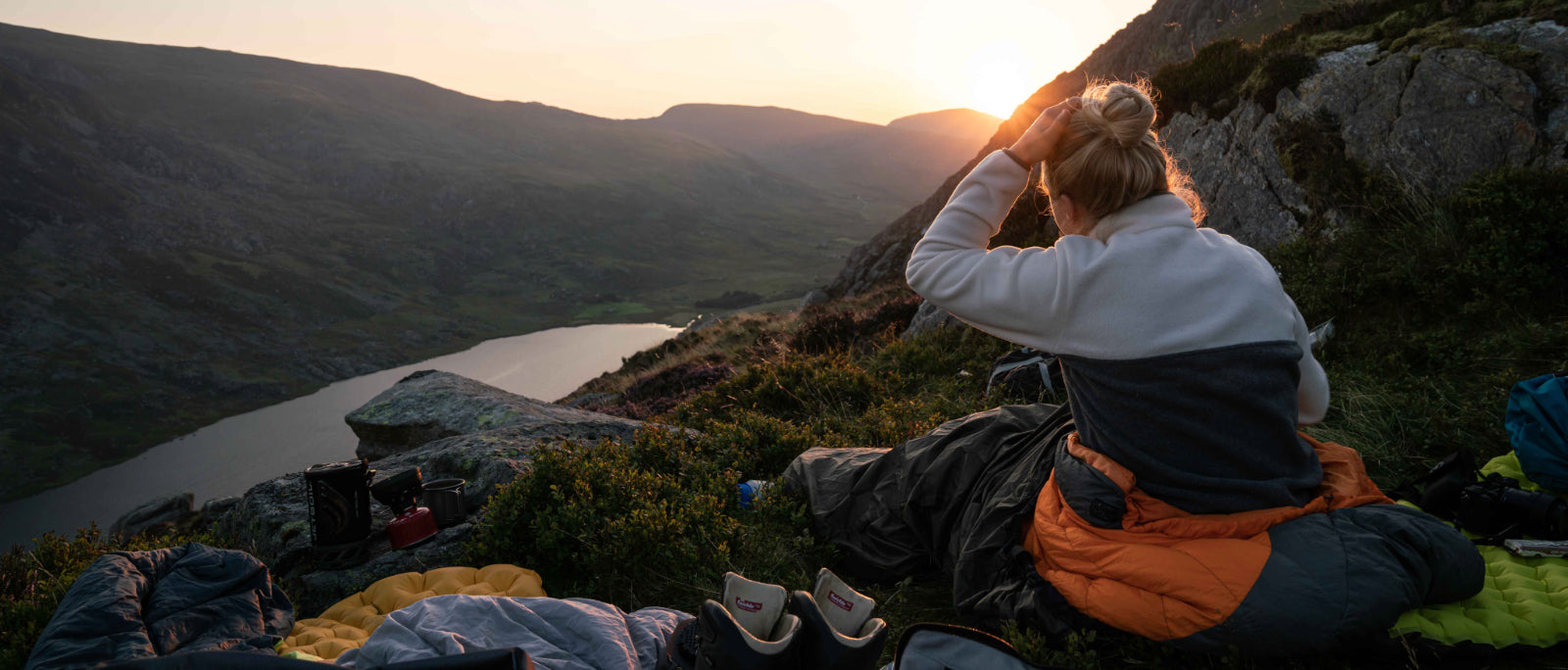
    When it comes to sleeping outdoors, most wild campers go for a tent. But we reckon the finest way to spend a night in the hills is nestled in a bivvy bag. To prove the point, here are five reasons why bivvying beats sleeping under canvas.

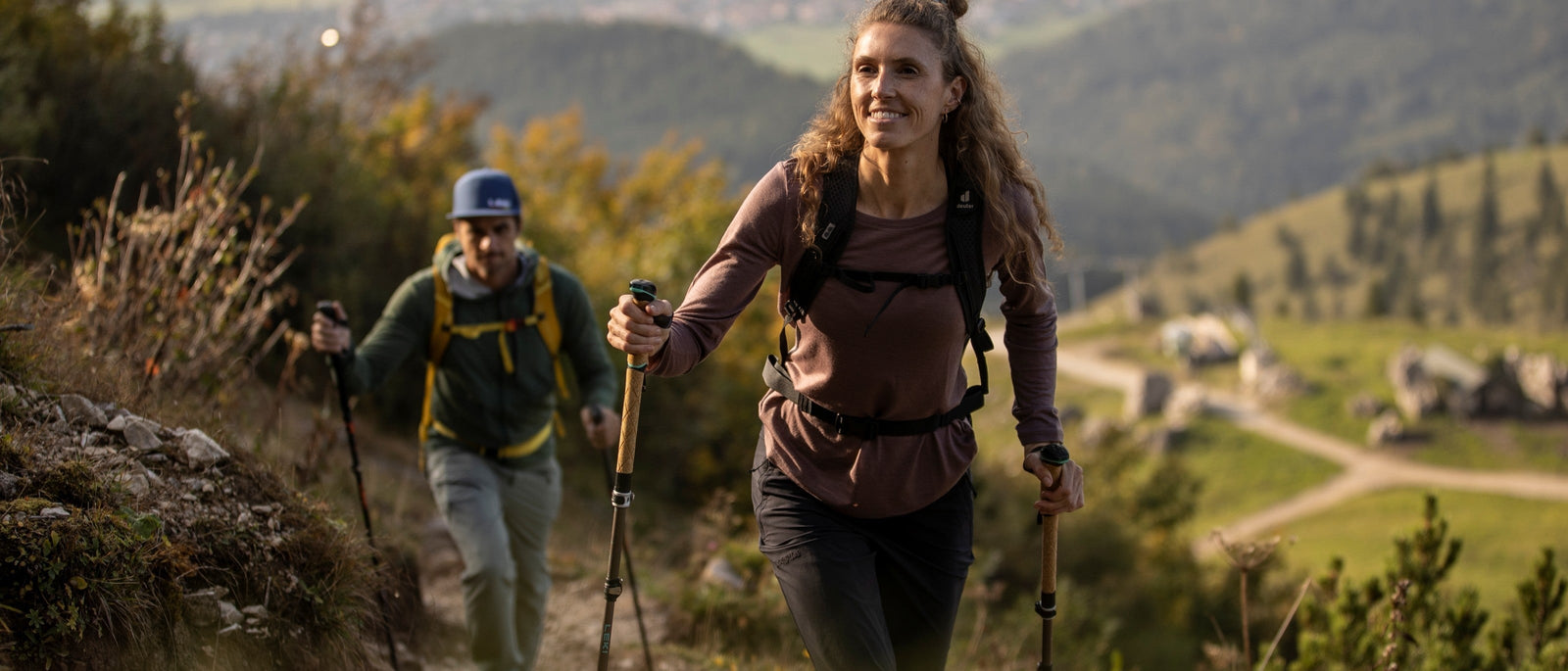
    Two hikers ascending a grassy hillside trail using trekking poles for support on the climb.
    Trekking Poles Explained: The Ultimate Buying Guide

    More speed, more stability, less strain on your knees – just three good reasons why experienced long-distance hikers almost always use trekking poles. Here’s everything you need to know before buying a pair.

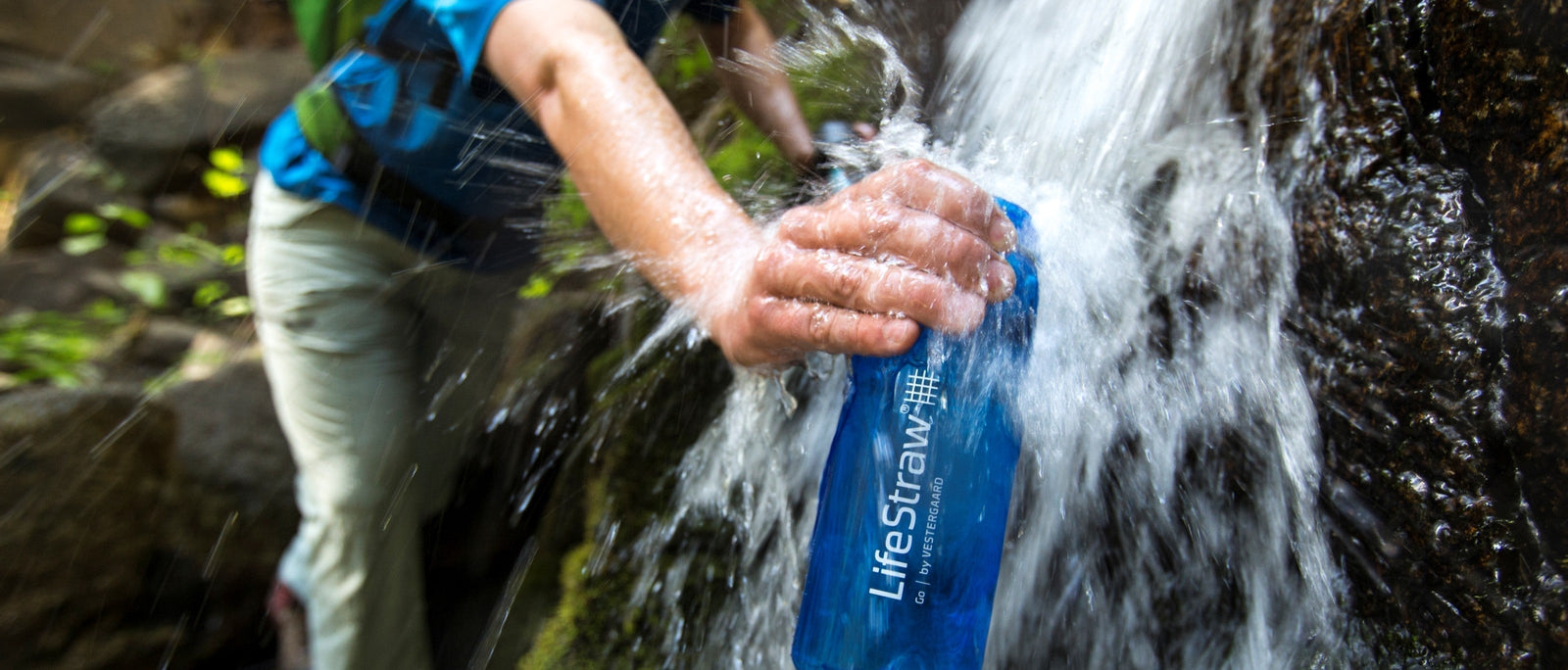
    Hand filling a LifeStraw Go filter bottle from a cascading waterfall. Wild water is everywhere in the hills – the trick is knowing what's in it.
    The Ultimate Guide to Filtering & Purifying Water

    Turbidity, parasites, bacteria, viruses and chemical pollutants – there are five reasons that innocent-looking stream might make you ill. Here’s what can lurk in wild water, and how to make sure it’s safe to drink.