
Camp
  • Field Guide: Cyprus

    Cyprus is far more than a beach break. Discover the best hiking in Cyprus, from Troodos waterfalls and Byzantine churches to wild Mediterranean coastal paths.

    Hiker descending a rugged ridge of golden eroded cliffs above the Mediterranean near Pissouri, Cyprus.

    29th October 2026 | Words by Nike Werstroh | Photos by Jacint Mig


    According to Greek myth, Cyprus was the birthplace of Aphrodite, goddess of love and beauty. So, perhaps it is no surprise that most visitors to this island quickly fall for its charms, often turning first-time tourists into regular holidaymakers who subsequently return year after year.

    The temperate Mediterranean climate and long, golden beaches are obvious attractions that have drawn sun worshippers for decades, but Cyprus is far more than merely an island resort. For example, it also has lots to offer for outdoor enthusiasts. Obviously, this includes a variety of water sports from scuba diving and snorkelling to kayaking, but the island also boasts some great hiking trails and a network of pleasantly quiet roads for cycling.

    Turquoise sea lapping a pebble beach beneath the limestone sea stacks of Petra tou Romiou, Aphrodite’s legendary birthplace in Cyprus

    Petra tou Romiou, the rocky shore where Aphrodite is said to have been born.


    Geographically, Cyprus lies in the northeastern corner of the Mediterranean Sea, surrounded by three continents: Europe, Asia and Africa. This proximity has resulted in a remarkably broad range of historical and cultural influences. It means that whether you are exploring the island on foot, on two wheels or by vehicle, you are never far from the remains of ancient buildings, Byzantine churches and similar sites representing the diverse culture shaped by different empires that ruled Cyprus through the centuries.

    In Paphos you will find the remarkable Roman mosaic floors at the Paphos Archaeological Site, as well as The Tombs of Kings, a UNESCO World Heritage Site, where aristocrats were buried in grand tombs in the 4th century BC. The acropolis of Kourion near Limassol and the fascinating remains of the ancient city of Salamis near Famagusta shouldn’t be missed either. Meanwhile, in the Troodos mountains, winding trails lead to UNESCO-listed Byzantine churches, and you will find monasteries where life is still dictated by strict rules.

    Brick and stone arched cloisters at Machairas Monastery, with potted flowers and a hanging bell in a sunlit courtyard

    The flower-filled courtyard of Machairas Monastery.


    Britain was the last empire to rule Cyprus, from 1878 to 1960, when Cyprus gained independence. Postwar, growing tensions between the Greek and Turkish Cypriot communities resulted in a coup by Greek Cypriots and an invasion by Turkey in 1974. Ever since, a UN-controlled buffer zone (also known as the Green Line) runs across the entire island. The Turkish Republic of Northern Cyprus, a self-declared nation state that is recognised only by Turkey, was announced in 1983.

    This recent past is still affecting many lives. While you can explore the historical sites, hiking trails and traditional villages on both sides of the divided island, the political situation remains a sensitive subject in Cyprus. But Cypriots –whether they speak Greek or Turkish – invariably greet tourists and hikers with a friendly welcome and a disposition that reflects their sunny island.

    When to go

    Cyprus can be a good holiday destination all year round. The hot summer months (May to October) are perfect for lazy beach days and water sports, and you may consider some of the more shaded trails in the Troodos mountains, where the temperature is cooler than on the coast. However, the most spectacular season for walking is spring, which is pleasantly warm, with blooming wildflowers and orchids that give a dash of colour to the landscape. Autumn temperatures remain suitable for walking and the sea is still warm enough to swim. Winter brings the most rainfall, and as snow can cover the Troodos, you can find ski slopes only an hour from the coast. The quieter winter months can also be a great time to explore the coastal trails, ancient monasteries and historical sites.

    Getting there and getting around

    The vast majority of tourist flights land in Paphos or Larnaca airports. From these airports it is easy to take a bus to the nearest town. While there are buses connecting the larger coastal towns and the capital, Nicosia, getting to some of the more remote hiking trailheads by public transport can be difficult or impossible. Calling a taxi is an option if you’re walking a linear route (for example in the Troodos mountains); however, the easiest and the most flexible way to explore the island and the hiking trails is by vehicle. You can hire a car from multiple rental companies at the airports or one of the larger towns. In Cyprus they drive on the left, just as in the UK, and the roads are generally in good condition, though bear in mind that covering distances on the winding narrow roads in Troodos or in the Machairas mountains can take some time. Roads can get busy around the coastal towns and historical sites but in the mountains they remain fairly quiet.

    Pine-covered slopes and pale rocky scree beneath heavy cloud in the Troodos Mountains, Cyprus

    Pine forest and rocky slopes in the Troodos Mountains.


    If you hire a car in the south, you might be able to take the car into the northern part of the island, but third-party insurance will have to be purchased, which can be problematic. If you hire a car in Northern Cyprus, you strictly can’t take it to the south of the island. This means that generally, if you wish to visit both parts of the divided island, it is easiest to hire two cars separately.

    Crossing the border

    UK citizens must arrive in Cyprus through the internationally recognised southern airports (Paphos and Larnaca) or seaports (Larnaca, Limassol, or Paphos). Entering the island through any of the ports and airports in the self-declared state of Turkish Republic of Northern Cyprus is considered to be illegal. As such, the best way to visit the northern part of the island is to fly to Larnaca and then take a bus to Nicosia, where you can cross the border on foot through the checkpoint at Ledra Street. A number of other checkpoints are also in operation along the Green Line. This border and the UN-controlled buffer zone run across the entire island but since 2003, Cypriots from both sides have been allowed to visit each side freely, although some Greek Cypriots refuse to cross the border.

    Where to base yourself

    The coastal towns have a variety of accommodation, ranging from small hotels and self-catering aparthotels to big resorts. Ayia Napa in particular has become known not just for its beautiful beaches but also its vibrant clubs and nightlife. If you are after a quieter and more tranquil stay, but still prefer a coastal setting, Paphos or Limassol are great choices, with plenty of restaurants and accommodation options for all budgets.

    Pale cliffs and turquoise Mediterranean water along the coast near Petra tou Romiou, between Paphos and Limassol

    Looking along the coast towards Aphrodite’s birthplace.


    Basing yourself anywhere on the coast between Paphos and Limassol means you will still have good access to the walking trails in the Troodos mountains. So too does the town of Platres or the picturesque Kakopetria. Similarly, the coastline between Limassol and Larnaca makes an excellent base for exploring trails both in the Troodos and the Machairas. Further to the west, Polis has everything you might need if you want to spend a few days near the Akamas Peninsula.

    Narrow cobbled street lined with old stone and timber houses, lemon tree and red geraniums in the village of Kakopetria

    A cobbled street in Kakopetria, a handy base for Troodos trails.


    Meanwhile, Kyrenia/Girne and the surrounding villages in Northern Cyprus offer a range of accommodation, restaurants and shops, making it an ideal base if you want to explore trails in the Kyrenia mountains. There are some fine beaches near Famagusta on the east coast too, and the town itself is also close to the ruins of the ancient Salamis.

    Hiking trails

    Cyprus has numerous signposted mountain trails with excellent views, often leading to Byzantine churches or castle ruins. Alternatively the coastal trails combine spectacular sea views with the option for a swim. If it is your first time in Cyprus you should prioritise the most well-known trails, which are justifiably famous, perhaps tackling some of the less trodden ones if your time allows.

    Hiker descending a rugged ridge of golden eroded cliffs above the Mediterranean near Pissouri, Cyprus

    Rugged coastline near Pissouri.


    Most of the hiking trails are not demanding, and are suitable for anyone with a reasonable level of fitness. Although some routes might require a full day and perhaps a bit more outdoor experience, there are also plenty of shorter routes on easy terrain that still provide fantastic views. For great coastal views head to the Akamas Peninsula and walk the Aphrodite Trail (7.5km), one of the most popular trails on the island. For a quieter option, follow the coastline near Pissouri.

    Rugged coastline near Pissouri.

    Pissouri’s clifftop coastline.


    While most people only walk up to the narrowest section of the Avakas Gorge, if you continue beyond, you will share the wilder section of the gorge with only a few people. You will have to scramble over boulders of various sizes and cross the stream myriad times before you climb out of the gorge and follow a track back to the starting point.

    Sunlight glowing between towering sandstone walls at the narrowest point of the Avakas Gorge, with boulders and a stream below / Hiker in a white cap scrambles up large boulders in the Avakas Gorge, with other walkers and overhanging trees behind

    The narrowest section of the Avakas Gorge. / Scrambling over rocks in the Avakas Gorge.


    From Platres in the Troodos, walk down to Cyprus’ tallest waterfall, Millomeris (about 2km from Platres) or follow the 9km circular Caledonia waterfall trail that starts just outside of the village. This trail also provides some spectacular views of the nearby mountains on the return leg. For far reaching views follow the Atalanta Trail (14km) or the shorter Artemis Trail (7km) around the peak of Mt Olympus, the highest mountain on the island. If you prefer a less trodden route, climb the 10km Kannoures trail, following the Karkotis River upstream, with plenty of stream crossings. You might even spot the endemic mouflon – an ancient breed of wild sheep – hopping skilfully amongst the rocks.

    Slender Millomeris waterfall dropping over mossy rock into a dark pool in the Troodos Mountains, Cyprus

    Millomeris, Cyprus’s tallest waterfall, is a short walk from Platres.


    There are also various heritage routes that give more than spectacular views. In the foothills of the Troodos, follow a trail to the 12th-century Asinou church (10km there and back) or from Troodos Square follow the 10km route to the 11th-century Agios Nikolaos tis Stegis church. Both churches are on the UNESCO world heritage list for their internationally significant frescos. In the Kyrenia mountains, winding trails lead to the ruins of Kantara, St Hilarion and Buffavento castles that were built to protect the island from Arab invaders between the 7th and 10th centuries.

    Other activities

    Cycling

    The scenic roads attract cyclists all year round. If you want to explore the island on two wheels you won’t necessarily need to bring your own bike – there are several bike rental places dotted around the island. You can also find a list of bike centres (where you can not only rent a bike but join a guided tour, or get your bike repaired if something needs fixing) via the visitcyprus.com website. The site also gives downloadable route suggestions and a list of bike-friendly hotels; ideal for planning a touring holiday. The spring and autumn months provide the best weather for cycling. During the hotter summer months you might want to stick to the winding mountain roads in the Troodos, which will be cooler, though involve some tough climbs. In the winter snow can cover the routes in the Troodos, so instead perhaps tackle the coastal routes. Roads can get busy around bigger towns and on the coast but the further you get from the main tourist hotspots, the less cars you will see.

    Scuba diver in a black drysuit swims beside the huge, algae-covered propeller of the Zenobia shipwreck in clear blue water, Cyprus

    Exploring the giant propeller of the Zenobia wreck off Larnaca. Credit: Nikolay / Adobe Stock


    Water sports

    Thanks to the clear visibility and pleasantly warm Mediterranean water temperature, you can dive all year round. The diving centres in Paphos, Larnaca, Ayia Napa, Limassol, Polis and also in Kyrenia (in North Cyprus) offer reef, wreck, cave and beginner friendly shore diving trips. Dive centres are also listed on visitcyprus.com.

    Flora and fauna

    The island’s most iconic mammal is the shy Cypriot mouflon, which inhabits the Troodos mountains and the Paphos forest. This ancient breed of wild sheep is a large and distinctive mammal with impressive spiralling horns, but harder to spot than you might think. During the 20th century hunting nearly brought the endemic mouflon to extinction. Thankfully their natural habitat, the Paphos forest, was designated a protected area in 1939. This allowed numbers to recover to a healthy level.

    Two mouflon rams with large curling horns face each other in warm evening light among dry scrub

    Mouflon rams, the island’s most iconic mammal. Though large and distinctive, these wild sheep are notoriously shy and harder to spot than you might think. Credit: Fotkrat / Adobe Stock


    Due to its intercontinental location, Cyprus is a stopping place for numerous species of migratory birds, so you might want to take your binoculars on your hikes. Other birds, particularly songbirds such as the Cyprus wheatear and the Cyprus warbler, nest and breed exclusively on Cyprus.

    Some of the island’s sandy beaches are important hatching places for the endangered green and loggerhead turtles. Unfortunately, in recent decades beachside development has decreased the number of suitable nesting places around the island. This is now being addressed and there are some specially protected hatcheries at Lara Beach in Southern Cyprus and Alagadi Beach in Northern Cyprus.

    Most of the snakes in Cyprus are harmless, but some, such as the light-brown coin snake and the olive green or black whip snake can be aggressive. Neither are venomous but both can deliver a nasty bite, so it is best to keep your distance. The main venomous snake to avoid is the blunt-nosed viper. Usually found near water, it only attacks in self-defence.

    When it comes to trees and plants, you’ll see cypress, juniper, plane and carob trees, all of which are common on the island. Calabrian pine covers the lower slopes of the Troodos and Kyrenia mountains, while golden oak and black pine also appear in the Troodos.

    Hiker crouching to photograph a purple wildflower among pine needles on a Cyprus trail in spring

    Spring is the perfect time to spot wildflowers, including orchids such as this violet limodore.


    A variety of wildflowers bloom from as early as February. In early autumn you can see the pink or white flowers of Cyprus cyclamen in the forests. The protected Cyprus tulip grows on the Akamas peninsula and in some parts of the Kyrenia mountains, while the rare St Hilarion cabbage can be found near the St Hilarion Castle in northern Cyprus.

    Lastly of note, the island is home to more than 30 species of orchids of which the Cyprus Bee and the Lapithos Bee orchids are endemic.

    Where to eat

    Seek out the traditional tavernas or small family run restaurants in any Cypriot town or village and you can expect to be served big portions of fresh, delicious food. Almost anywhere on the island you can feast on superb grilled meat, locally caught fish, grilled or breaded halloumi, Greek salad, tzatziki and souvlaki, usually served with warm pitta bread or oregano-salted chips.

    In Paphos try grilled fish or meat in the town’s oldest traditional tavern, Hondros Taverna.

    After completing the Caledonia Waterfall trail in the Troodos, dine in Psilo Dendro. We’d highly recommend the freshly caught trout, which comes from the fishery near the trailhead.

    If you want simple, honest tasty food in Pissouri, head to The Vine Leaf Tavern. The portions are very generous and they also serve nice local wine.

    If you are in Nicosia, definitely have souvlaki for lunch in the hidden back garden of Annama Tavern on Ledra Street. They serve traditional Greek and Cypriot food accompanied by regular live music.

    If you love pastry and sweet treats or want to try Turkish coffee with a slice of chocolate cake don’t miss Patek Pastanesi patisserie in Famagusta. Located over two storeys in an old townhouse with seating also available on the roof terrace, this coffee house is so popular that you may have to wait for a table. But you will probably need to use that time to choose from the wide range of mouthwatering artisan cakes, baklava and pastries from the long glass display case.

    Lastly, try sesame seed bread, traditional pastries or delicious cakes in one of the shops of Zorbas, a small bakery chain, any time of the day – as it is open 24/7 in many towns!


    Nike Werstroh is an outdoor writer and the co-author of several walking guidebooks, published by Cicerone Press. Nike and her partner, Jacint, are passionate about hiking the world’s best trails and sharing their love of walking with others through their guidebooks and photos.

    Website Instagram

    Also in Field Guides

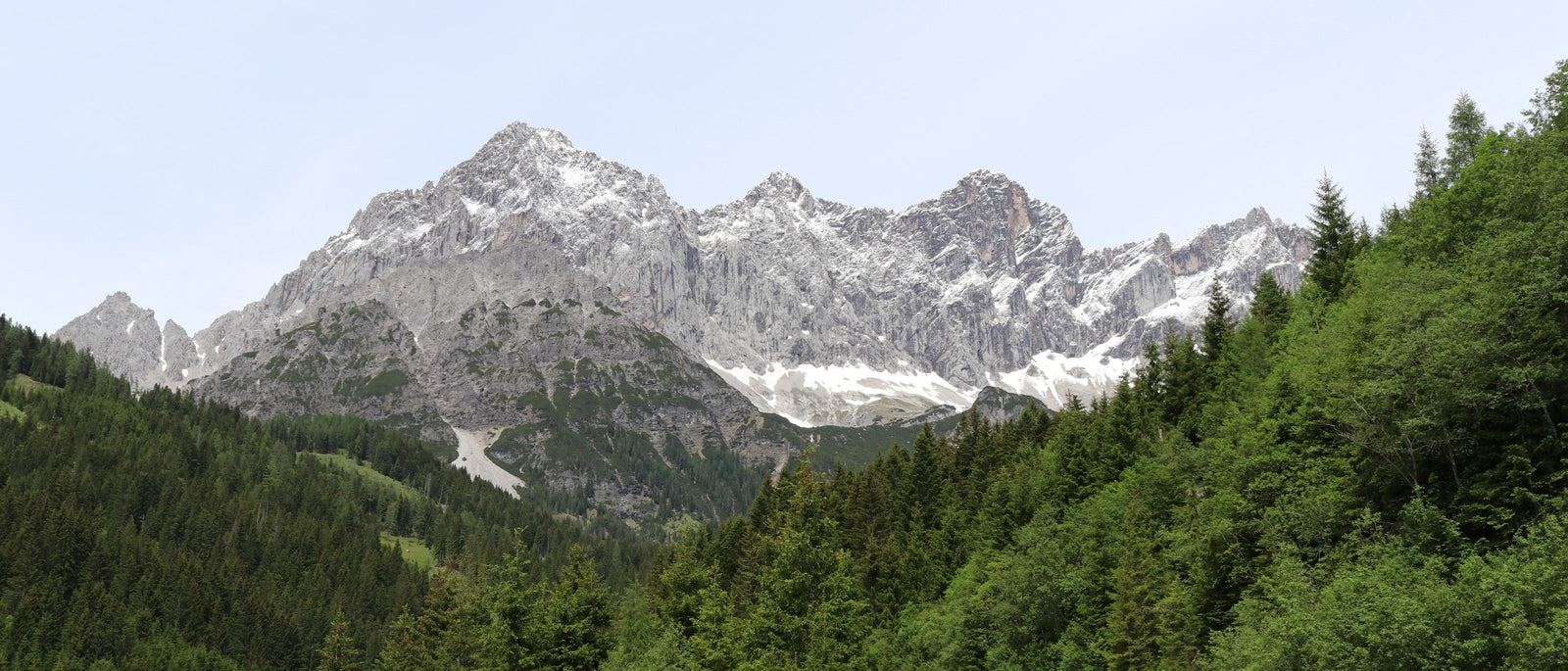
    Snow-streaked peaks of the Dachstein massif rising above dense spruce forest, Filzmoos, Austria
    Field Guide: Filzmoos & Dachstein Mountains, Austria

    If you’re keen to explore the Northern Limestone Alps of Austria, the picturesque town of Filzmoos makes a great basecamp for the many accessible trails that run through the Dachstein Mountains

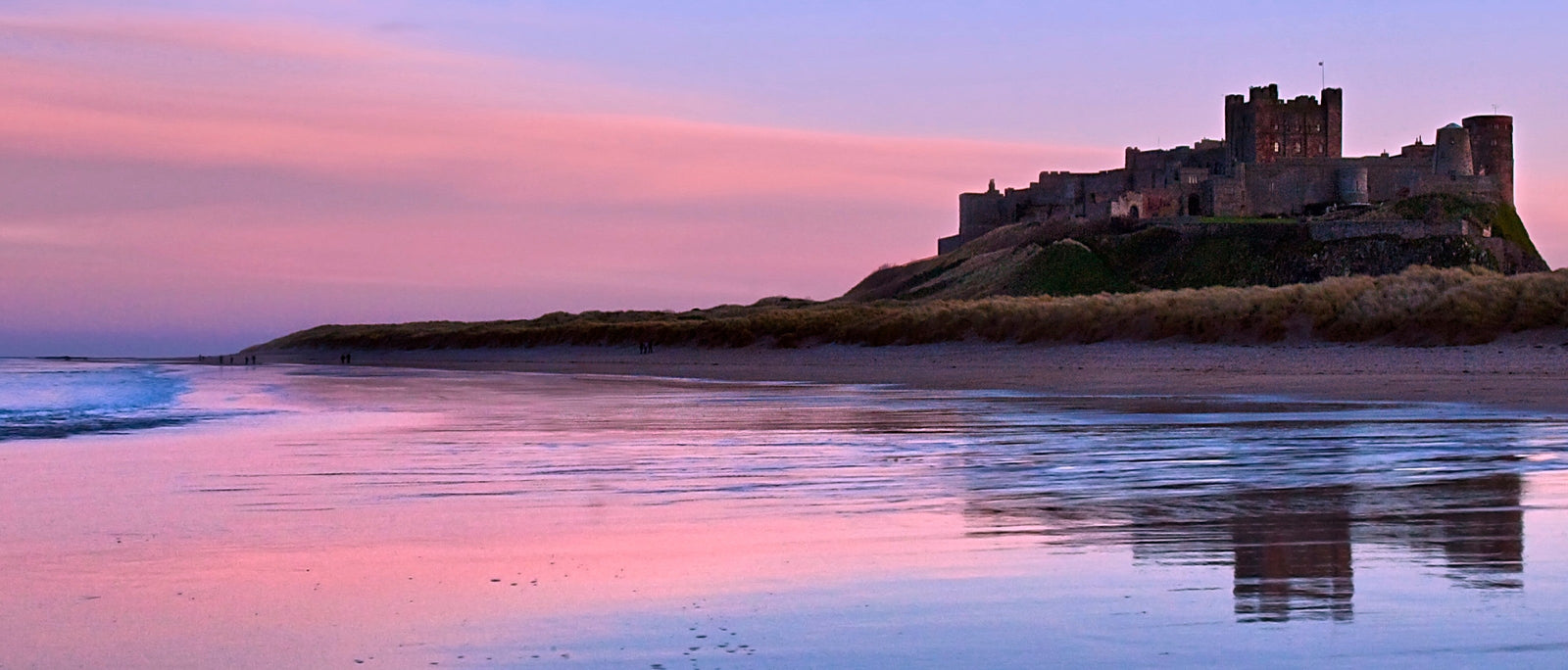
    Sunset on Bamburgh Castle, on the Northumberland coast of North East England.
    Field Guide: Northumberland

    From storm-battered castles and Roman frontier walls to vast dark-sky forests and a wildlife-rich coastline, Northumberland is England’s most gloriously overlooked county.

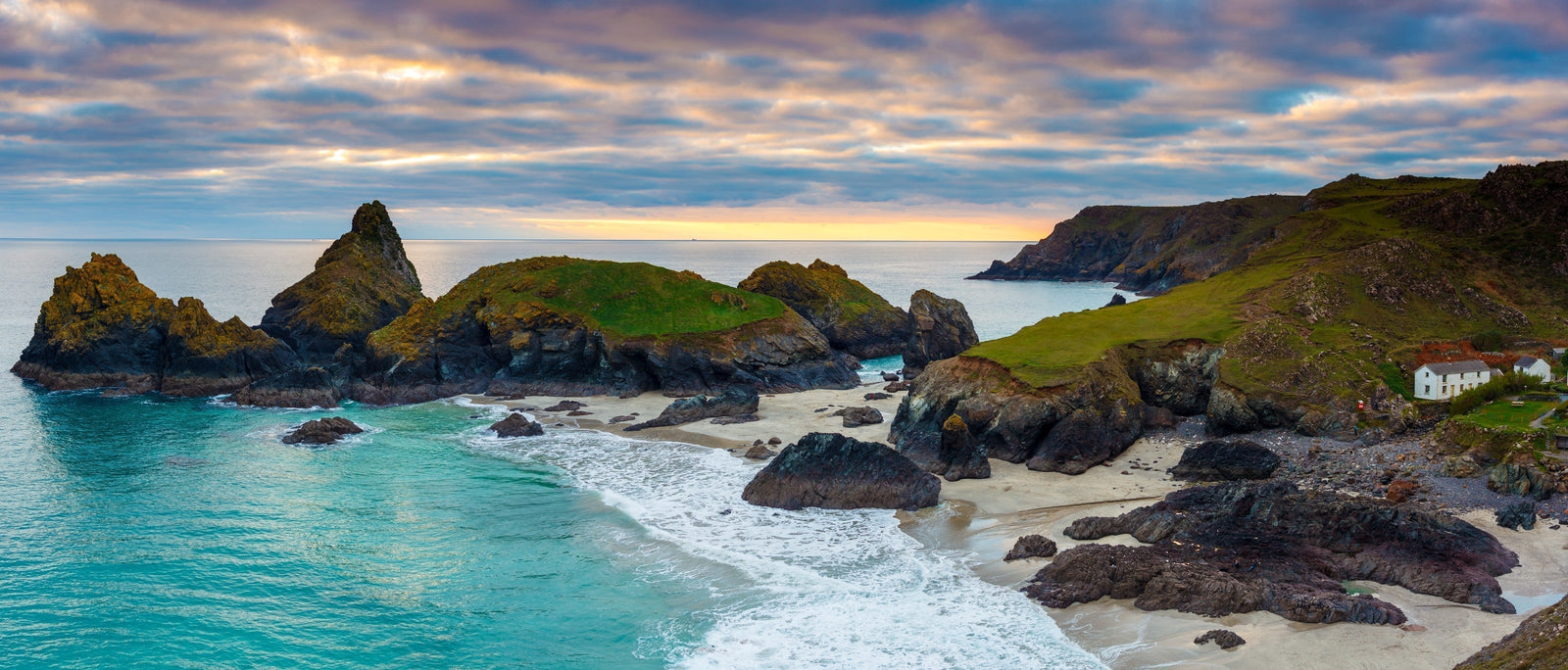
    Field Guide: Cornwall
    Field Guide: Cornwall

    Cornwall boasts more than 300 miles of coastline – from wild, surf-battered beaches to sheltered turquoise coves. Here’s how to uncover the best of it, from ancient castles and cliff-top walks to the finest seafood spots.